Mud, Sweat & Gasoline -Clean Ups Can't Rely on Lithium
INDEPENDENCE, MO — It has been a bruising stretch of weather for Jackson County. Following a series of severe June thunderstorms—which triggered local tornado warnings and left behind a trail of heavy wind damage—property owners across Independence have been faced with massive cleanup tasks.
Amidst a relentless cycle of torrential downpours and a lingering regional Flood Watch, local residents are tackling vast piles of debris, fallen limbs, and compromised timber. But as chainsaws echo through local neighborhoods, a distinct shift in strategy is taking place on the ground: the abandonment of battery-operated chainsaws in favor of raw, gas-powered grunt.
The Reality of the Storm: Why Battery Saws Fell Short
For typical weekend maintenance or light backyard pruning, cordless electric chainsaws have surged in popularity due to their instant-start capability and quiet operation. However, the sheer volume of hardwood brought down by recent severe storms quickly exposed the limits of battery endurance.
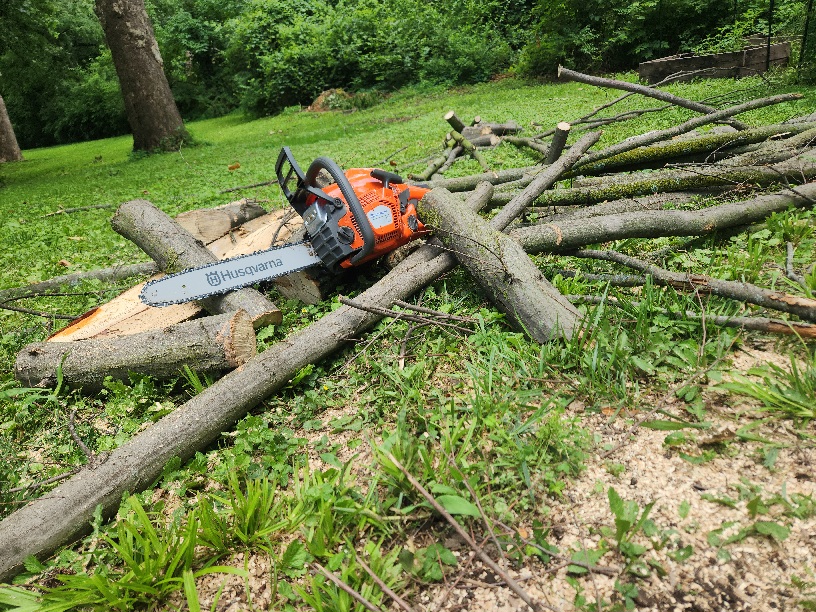
Faced with clearing dense, water-logged oak and massive limbs (similar to the heavy downfall shown in recent field photos), local landowners found that battery-operated tools simply couldn't keep pace with a disaster zone. High-demand cutting quickly depletes lithium-ion packs, creating a bottleneck.
"When you have blocks of heavy timber to clear and the radar is showing another round of severe weather on the horizon, waiting two hours for a battery to recharge is a luxury you don’t have," noted one local resident working through a clogged fence line. "We needed to clear continuously, not manage a charging station."
Mud, Sweat, and Gasoline
The rugged nature of storm recovery requires a tool that can run from dawn until dusk. In wet, heavy debris fields, the "raw grunt" and immediate uptime of a gas-powered saw—like the Husqvarna pictured amidst a fresh stack of cut logs—remain irreplaceable.
Gas saws provide consistent torque that doesn’t bog down when slicing through thick, saturated trunks. More importantly, refueling takes less than two minutes, keeping the operator moving forward while the weather windows are tight.
Looking Ahead: No Rest for the Weary
The urgency to ditch battery power for gas is amplified by the upcoming forecast. With the National Weather Service keeping a close eye on unsettled weather patterns and scattered thunderstorms projected to persist well into the upcoming week, the race to clear existing hazards is critical.
Uncleaned debris piles pose severe risks during subsequent high-wind events, potentially turning loose logs into projectiles or blocking vital drainage pathways during heavy rain events.
For the people of Independence, the message of this stormy June is clear: when nature strikes with maximum force, reliability and uninterrupted runtime aren't just preferences—they are necessities. Until battery technology can match the infinite runtime of a fuel can, the orange tanks of gas-powered saws will continue to dominate the post-storm landscape.